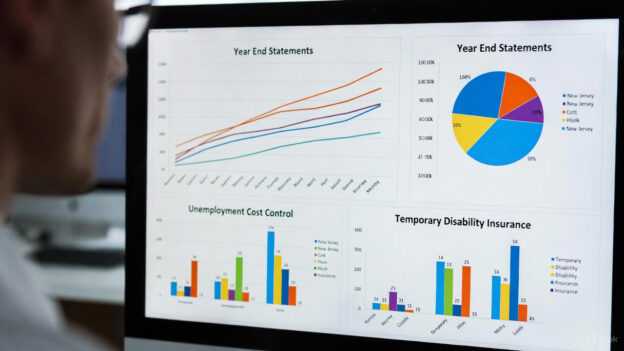
As we kick off 2026, New Jersey employers have an important task on their to-do list: downloading the year-end statements for Temporary Disability Insurance (TDI) benefits paid in 2025. These statements are essential for accurate tax reporting and compliance.
Why These Statements Matter
New Jersey’s Temporary Disability Insurance program provides wage replacement to employees unable to work due to non-work-related illnesses, injuries, or pregnancy recovery. While TDI benefits are not taxed by the state, a portion is considered federally taxable as third-party sick pay.
The New Jersey Division of Temporary Disability and Family Leave Insurance reports the taxable amounts directly to employers via year-end statements. Employers must include this information on employees’ W-2 forms (typically under “third-party sick pay” or “other wages”). Failing to do so can lead to IRS issues for your employees—and potential headaches for your HR team.
These statements are available online every January for the previous calendar year through the state’s myleavebenefits.nj.gov portal.
How to Access Your 2025 Year-End TDI Statements
- Visit the NJ Division of Temporary Disability Insurance portal at myleavebenefits.nj.gov.
- You’ll need:
- Your Federal Employer Identification Number (FEIN), formatted as a 15-digit number (add a leading zero if needed and five trailing zeros—e.g., 123456789 becomes 012345678900000).
- Your permanent authorization code (mailed by the Department of Labor; if lost, retrieve it via Employer Access on the NJ Labor site).
- Log in and download the statement—it’s that simple.
If you encounter issues, the state’s Employer Accounts division can assist with code retrieval.
Connecting TDI to Broader Unemployment Cost Control
Properly handling TDI reporting ties into effective overall cost management for New Jersey employers. While TDI and Unemployment Insurance (UI) are separate programs, both impact your payroll taxes and experience ratings.
Mismanaged claims or inaccurate reporting in either program can indirectly affect your UI experience rate, which determines your unemployment tax contributions. New Jersey’s UI rates are experience-based: higher chargeable benefits lead to higher rates.
Proactive strategies—like monitoring claims, contesting ineligible charges, and optimizing voluntary contributions—can significantly reduce your UI costs. With recent positive shifts in the UI trust fund (including lower tax tables in recent years), now is an ideal time to review your accounts for maximum savings.
Need Help? Contact Dunn Corporate Resources
Navigating TDI statements, W-2 reporting, and unemployment cost control doesn’t have to be overwhelming. At Dunn Corporate Resources, we specialize in helping New Jersey employers minimize unemployment insurance costs through expert claims management, tax rate analysis, and compliance support.
Whether you have questions about downloading your TDI year-end statements, ensuring accurate W-2s, or uncovering UI savings opportunities, our team is here to help—with no-cost initial analyses available.
Contact us today to reach out to our specialists for personalized guidance. Let’s make 2026 your most cost-efficient year yet!